Carbon Markets Course Package • Module 4 of 5
Carbon Projects | Free & Certified
Learn how carbon projects work — from project design to credit issuance and retirement. Explore nature-based and technology-based projects.
Why Carbon Projects Matters
Every carbon credit starts with a project — but not every project creates real climate impact.
This free, self-paced course explains the full project lifecycle from project design and validation to monitoring, verification, credit issuance and retirement across both nature-based and technology-based climate solutions.
Designed for entrepreneurs, NGOs, project developers, and climate practitioners, the course explains carbon projects in a practical and accessible way.
Start your Course
This free, self-paced course explains the full project lifecycle from project design and validation to monitoring, verification, credit issuance and retirement across both nature-based and technology-based climate solutions.
Designed for entrepreneurs, NGOs, project developers, and climate practitioners, the course explains carbon projects in a practical and accessible way.

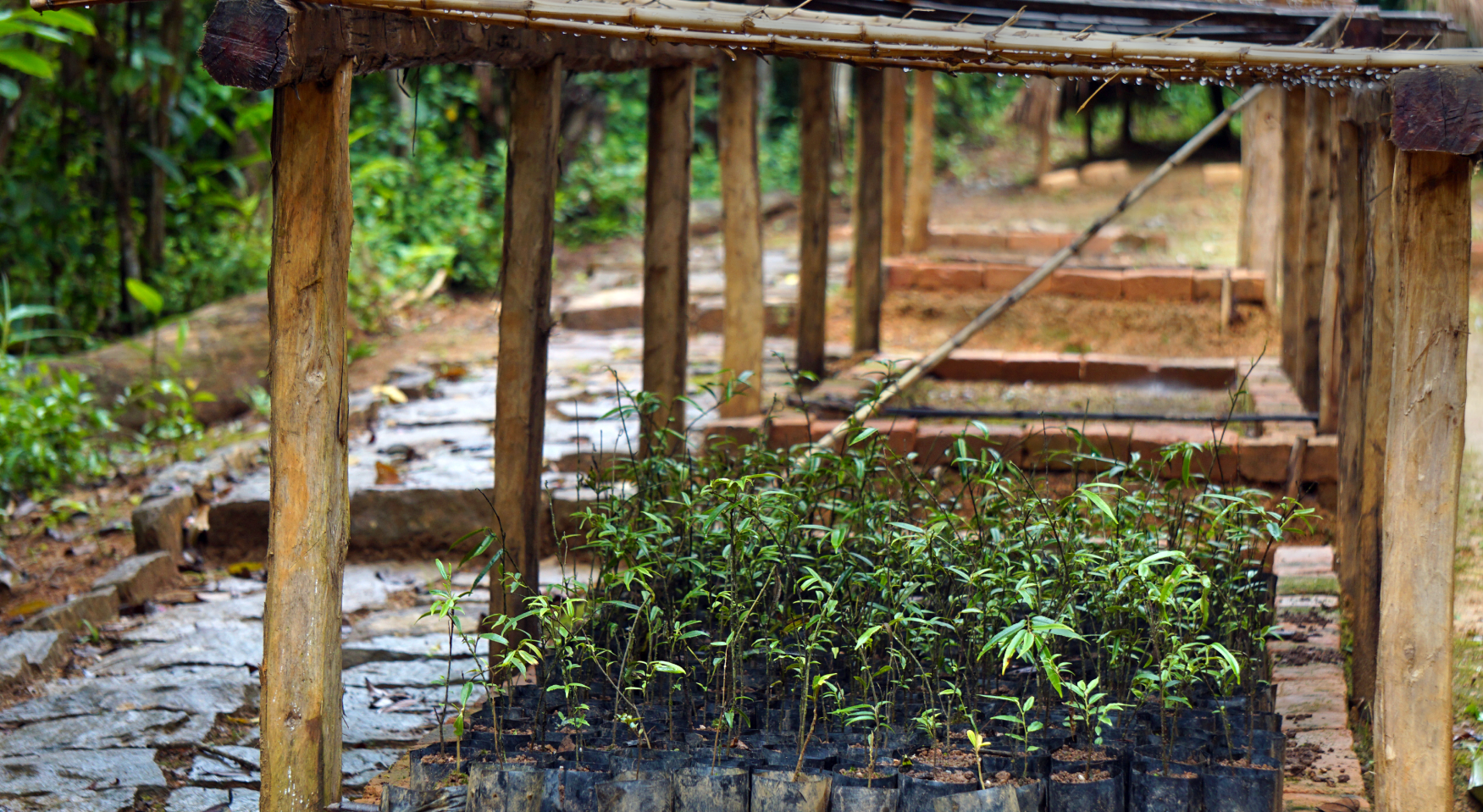
Common Challenges in Understanding Carbon Projects

There are too many standards and rules.
Carbon projects often involve complex requirements, technical documents, and unfamiliar verification processes.

It’s hard to tell which projects create real impact.
Many learners struggle to assess whether a project genuinely reduces emissions or simply looks good on paper.

Not all carbon credits are equal.
Project quality can vary significantly depending on methodology, safeguards, monitoring, and long-term impact.

Greenwashing concerns create uncertainty.
Without understanding how safeguards and integrity systems work, it can be difficult to engage confidently with carbon markets.
After Completing This Course, You Will Be Able To:
- Explain what a carbon project is and when it can generate carbon credits.
- Distinguish nature-based and technology-based projects, and avoidance versus removal outcomes.
- Describe the main steps from project design and validation to monitoring, verification, credit issuance, and retirement.
- Explain why additionality and MRV (Monitoring, Reporting and Verification) are essential for credibility.
- Recognize how safeguards, stakeholder engagement, and host-country rules influence trust and acceptance.
Who This Course Is For
- Social entrepreneurs and NGO professionals
working on climate action, land use, nature-based solutions or sustainability - Project developers and sustainability managers
exploring carbon project development opportunities - Impact investors, consultants and foundation staff
evaluating carbon project quality and climate impact - Policy advocates and climate practitioners
engaging with carbon market integrity, project standards, or host-country carbon governance
If you want to understand how a carbon credit is actually born and what makes it credible, this course is for you.
Course At a Glance

Self-paced online course
learn anytime, anywhere, at your own pace.

30-45 minutes course
depending on template use.

Ready-made templates and worksheets
on Carbon Projects.

Verified completion badge
blockchain-secured via Open Badge Factory.

Earn a Free Digital Certificate – Shareable and Fraud-Protected.
You’ll earn a unitary digital badge after finishing all required components and scoring 80% or higher on the quiz.
Complete all 5 courses in the Carbon Markets Course Package to receive a compound badge & certificate and showcase your knowledge on Carbon Markets & Climate Change.
Earn your free certificate
Complete all 5 courses in the Carbon Markets Course Package to receive a compound badge & certificate and showcase your knowledge on Carbon Markets & Climate Change.
Related Courses
Expand your learning journey in the Carbon Markets Course Package!
Mechanisms of Climate Change
Learn how carbon pricing and market mechanisms are used to reduce emissions. This course introduces key concepts, instruments, and practical considerations. Start anytime.
% complete
Global Climate Policies
Learn how carbon pricing and market mechanisms are used to reduce emissions. This course introduces key concepts, instruments, and practical considerations. Start anytime.
% complete
Carbon Crediting
Learn how carbon pricing and market mechanisms are used to reduce emissions. This course introduces key concepts, instruments, and practical considerations. Start anytime.
% complete
Carbon Pricing
Learn how carbon pricing and market mechanisms are used to reduce emissions. This course introduces key concepts, instruments, and practical considerations. Start anytime.
% complete
FAQ – Carbon Projects Course
A carbon project is an activity that reduces, avoids, or removes greenhouse gas emissions from the atmosphere.
When a project meets the requirements of a recognised carbon standard — including additionality, robust MRV, and independent verification — it can generate carbon credits that represent the verified climate benefit.
Examples include forest protection (REDD+), renewable energy installations, methane capture, and soil carbon enhancement.
Additionality means that the climate benefit of a carbon project would not have happened without the carbon finance.
In other words, the project must go beyond business-as-usual.
It is one of the most important quality criteria for carbon credits because it ensures that the emissions reduction or removal is a genuine, incremental benefit — not something that would have occurred anyway.
MRV stands for Monitoring, Reporting and Verification.
It is the process by which the climate benefits of a carbon project are measured (monitoring), documented (reporting), and independently checked (verification).
Strong MRV is essential for credit credibility — it provides the evidence base that the claimed emission reductions or removals actually occurred.
Nature-based projects use ecosystems to store or avoid carbon — for example, protecting forests (REDD+), restoring mangroves, enhancing soil carbon, or improving grassland management.
Technology-based projects use engineered solutions such as renewable energy installations, methane capture from landfills, energy efficiency improvements, or direct air capture.
Both can generate carbon credits, but they differ in permanence, scalability, and co-benefits for biodiversity and communities.
Yes — the course is completely free.
Upon successful completion, you earn a blockchain-secured digital unitary badge via Open Badge Factory at no cost.
Start Your Carbon Projects Course Today.
In just 30-45 minutes, you will understand what makes a project credible, who verifies it, and how safeguards protect people and ecosystems along the way.